
Svalbard polar bears gaining weight as sea ice recedes, study finds
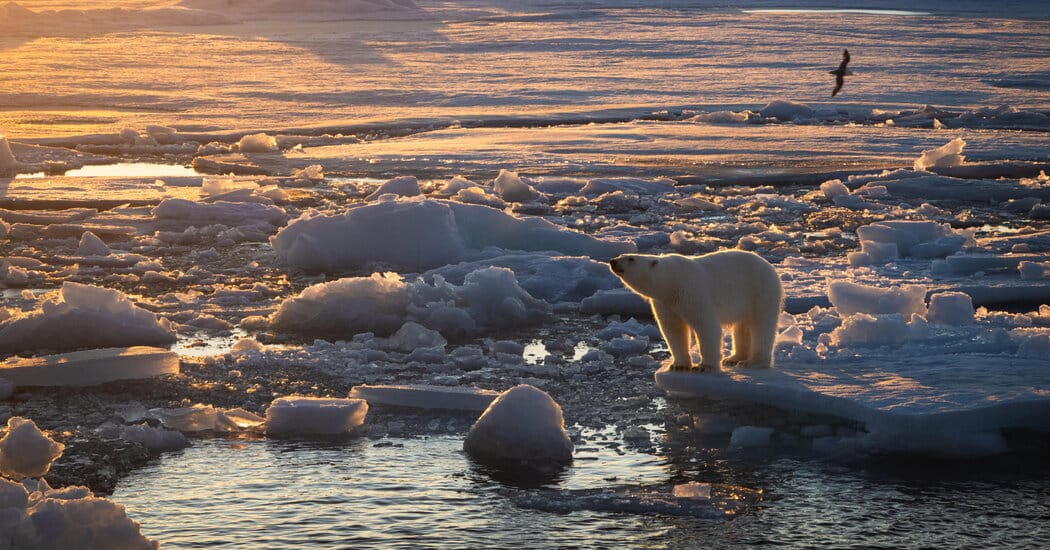
A study published on Jan. 29, 2026, in the journal Scientific Reports found that polar bears in Norway’s Svalbard archipelago have gained weight over the past 27 years even as surrounding sea ice has declined. Researchers compared a body condition index — a measurement of weight and fat content — with the rate of sea ice melting in the Barents Sea and found that bearsbody condition improved despite an increase of about 100 ice-free days; the Svalbard population has remained stable at around 2,650 animals, the study said.
The authors and Jon Aars, a senior scientist at the Norwegian Polar Institute, said some bears are eating more reindeer and walrus, whose numbers have grown after hunting protections, while others are taking advantage of denser congregations of ringed seals on remaining ice or eating new foods such as bird eggs; the report said seals favored by Svalbard bears are becoming easier to hunt as ice declines.
Dr. Aars cautioned that the increase in body weight may be temporary: the Arctic is warming several times faster than the rest of the planet, temperatures in the Barents Sea region have risen about 2 degrees Celsius since 2000, and local sea ice has declined twice as fast as in the other 19 areas where polar bears live, the study said.
svalbard polar bears, polar bear weight gain, barents sea sea ice decline, body condition index, jon aars, norwegian polar institute, scientific reports study, polar bear diet shift, reindeer and walrus, ringed seal congregations, arctic warming, pelagic polar bears