
Sylvester Stallone’s 1981 Nighthawks was ahead of its time, film historian says
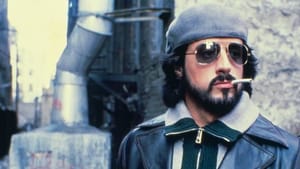
Film historian David Grove argues that Sylvester Stallone’s 1981 thriller Nighthawks — released April 10, 1981 — was ahead of its time, depicting urban terrorism in ways that later films and real events would make feel prescient. Stallone was originally contracted only to star but took greater creative control after original director Gary Nelson was fired and replaced by Bruce Malmuth; Stallone also oversaw an extensive re-edit.
The directors credited include Bruce Malmuth, Gary Nelson and Sylvester Stallone. Stallone plays New York detective Deke DaSilva, assigned to a terrorist task force to stop an international terrorist, Wulfgar (Rutger Hauer), from detonating bombs across the city. Wulfgar’s first sequence has him planting a bomb in a London department store that explodes, seemingly killing everyone, including children; he later flees to Paris, links with an accomplice named Shakka, undergoes plastic surgery, then bombs parts of New York including the Wall Street district.
The film contrasts with Stallone’s later one-man action persona: DaSilva is a streetwise, restrained figure who sometimes refuses lethal shots to avoid hitting hostages and resembles Al Pacino’s Serpico more than John Rambo. Nighthawks’ grounded, gritty tone and the believable camaraderie between DaSilva and his partner Fox (Billy Dee Williams) position it as a bridge between 1970s New Hollywood crime films and later buddy-cop movies.
sylvester stallone, nighthawks 1981, nighthawks release date, april 10 1981, rutger hauer, wulfgar terrorist, deke dasilva character, billy dee williams, bruce malmuth director, gary nelson director, sylvester stallone director, david grove film historian, urban terrorism depiction, wall street bombings, london department store bombing, paris escape sequence, shakka accomplice, plastic surgery plot, bridge between new hollywood, buddy-cop genre origins, box office performance, frank serpico comparison, the french connection iii, gene hackman, david shaber writer, paul sylbert writer, runtime 99 minutes