
Ten years on, David Bowie’s musical reach shows signs of fading
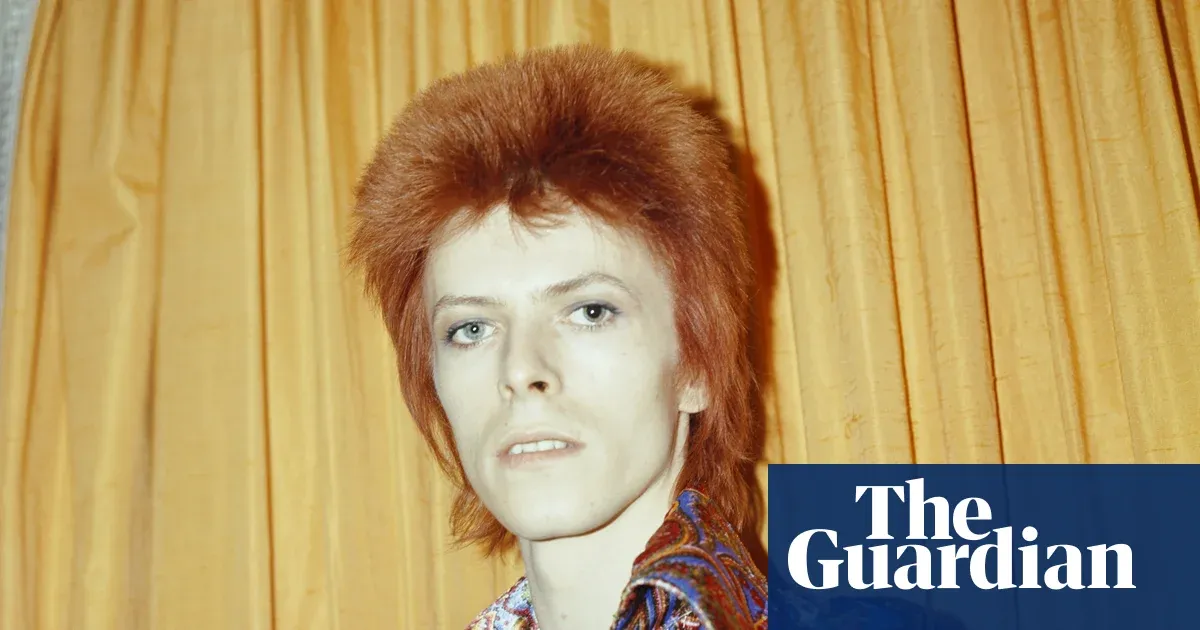
Ten years after his death, David Bowie’s musical legacy shows signs of fading, with signs in posthumous earnings, streaming figures and the ability to reach younger listeners. After a burst of interest in 2016—Bowie ranked No 11 on Forbes’s posthumous rich list with estimated earnings of $10.5m (£7.8m), and again at No 11 in 2017 with $9.5m (£7m)—he did not reappear on the list until 2022, when he was No 3 with earnings of $250m (£195m), almost entirely attributable to the sale of his music publishing rights to Warner Chappell.
With publishing now removed from his earnings tally, the piece says he is unlikely to reappear on that list unless the estate sells the master recordings from 1968 onwards that it owns and currently licenses to Warner Music Group. The article highlights streaming underperformance for an artist of his stature: Bowie has 22 million monthly listeners on Spotify, compared with Bob Marley’s 26 million, Whitney Houston’s 34 million, Elvis Presley’s 45 million and John Lennon’s 43 million.
Only one Bowie track is in Spotify’s “Billions Club”—Under Pressure, with more than 2 billion plays—an entry the piece says is presumably driven by Queen’s involvement. It attributes part of the problem to the estate’s focus on box sets and archival projects aimed at affluent, middle-aged fans—examples include Who Can I Be Now?
(1974–1976), I Can’t Give Everything Away (2002–2016) and 13 live albums since his death—rather than entry-level releases for teenagers.
Key Topics
Culture, David Bowie, Warner Chappell, Warner Music Group, Spotify, Tiktok