
Terra shuts off ASTER thermal-infrared to conserve power
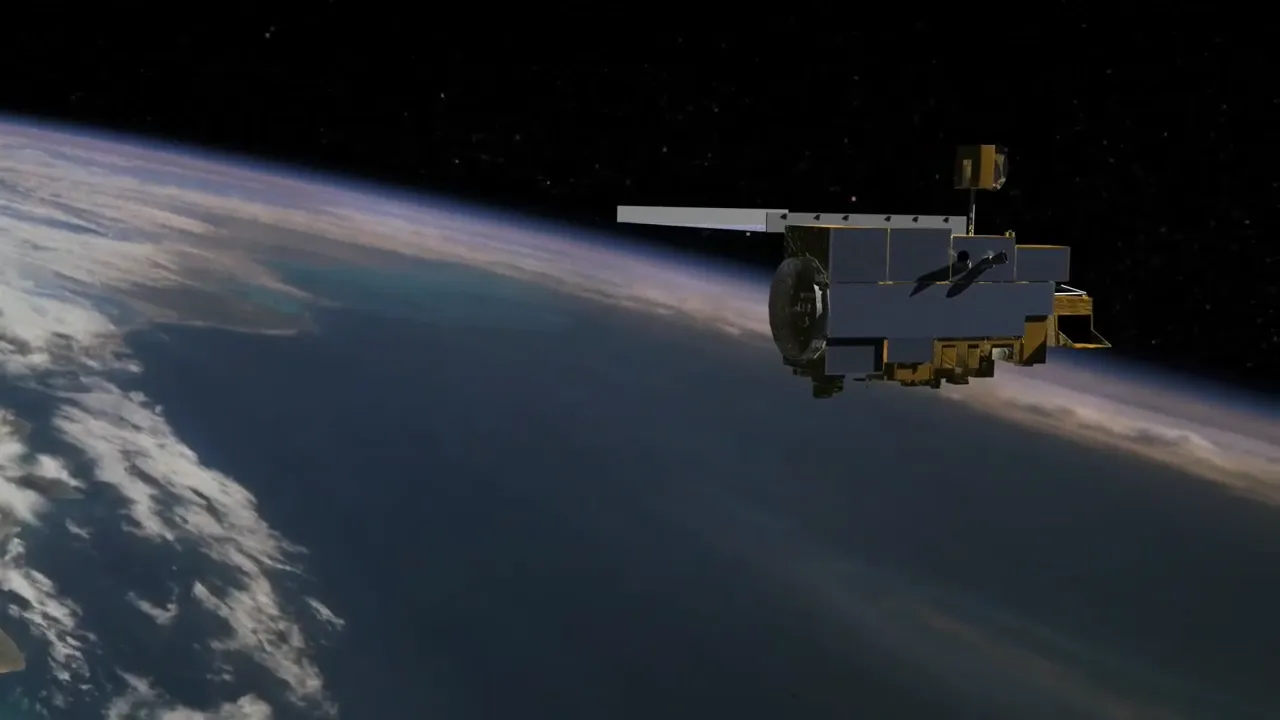
The thermal infrared capabilities of an imager on the Terra satellite have been shut off and will no longer collect data, more than 25 years after the instrument captured its first image of Earth from space. Terra, launched in December 1999 with a design life of six years, has long outperformed its mission life.
The Advanced Spaceborne Thermal Emission and Reflection Radiometer (ASTER) Thermal Infrared (TIR) subsystem was turned off Jan. 16 because of power limitations on the spacecraft. Its TIR thermal control system was powered off Feb. 6 to provide necessary power for the remaining instruments, a move that leaves the TIR subsystem unrecoverable even if power margins improve.
With the additional power, ASTER Visible and Near Infrared operations were able to resume on Feb. 9. Often called Terra’s "zoom lens," ASTER was designed to collect high-resolution images in 14 wavelengths, from visible to infrared. Its data have been used to map land cover, surface temperatures, reflectivity, elevation and volcanoes.
terra, aster, thermal infrared, tir, satellite, power limitations, thermal control, visible, near infrared, surface temperature