
Therapists and researchers say people struggle to imagine the future amid a polycrisis
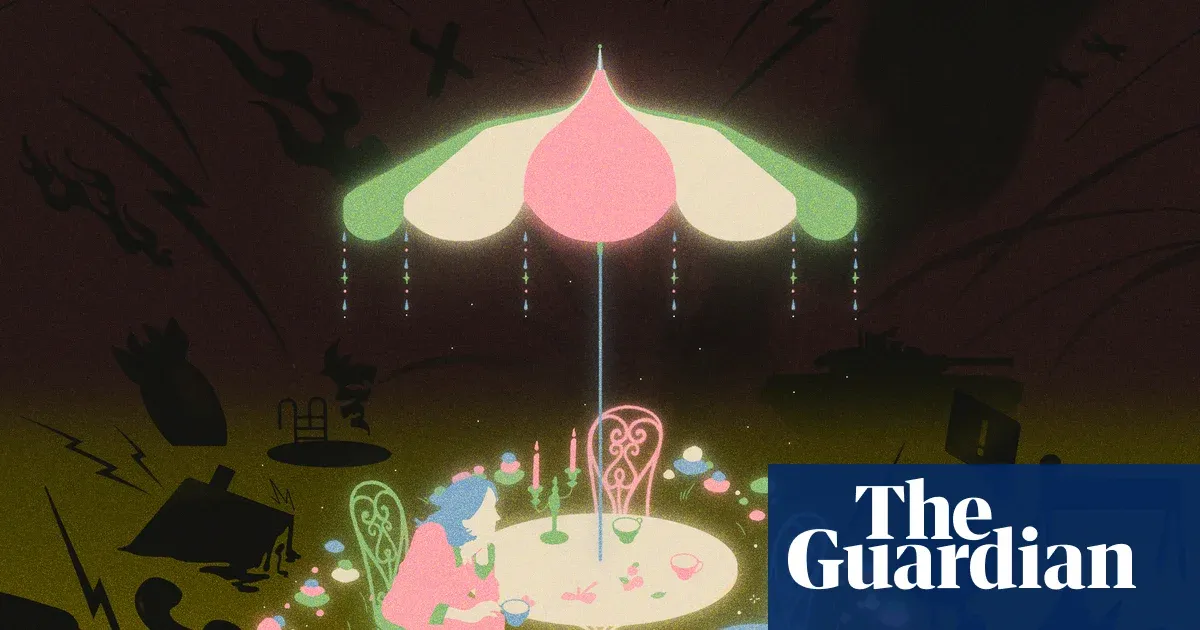
As the new year begins, many people report difficulty picturing a better future, with clinical psychologist Dr Steve Himmelstein in New York telling the author that most of his clients have "lost the future." The writer said social media responses from friends and acquaintances echoed a similar sense of being trapped in the present.
Psychologists and researchers attribute the problem to sustained overstimulation and radical uncertainty from multiple concurrent crises — including global political and economic instability, rising costs of living, job insecurity, health fears and severe weather events. Himmelstein said clients are "less optimistic" than before and do not often talk about the future; he told the author the situation seems worse than the immediate aftermath of 9/11.
Researchers such as Dr Hal Hershfield and Dr Daniel Gilbert explain that our ability to imagine future selves relies on episodic future thinking and the prefrontal cortex, and a recent study found that reminding people the future is uncertain led them to produce 25% fewer possible future events and to take longer on the task.
Key Topics
Health, Polycrisis, Steve Himmelstein, Hal Hershfield, Daniel Gilbert, Episodic Future Thinking