
Toni Geitani’s Wahj fuses maqam with cinematic electronic sound design
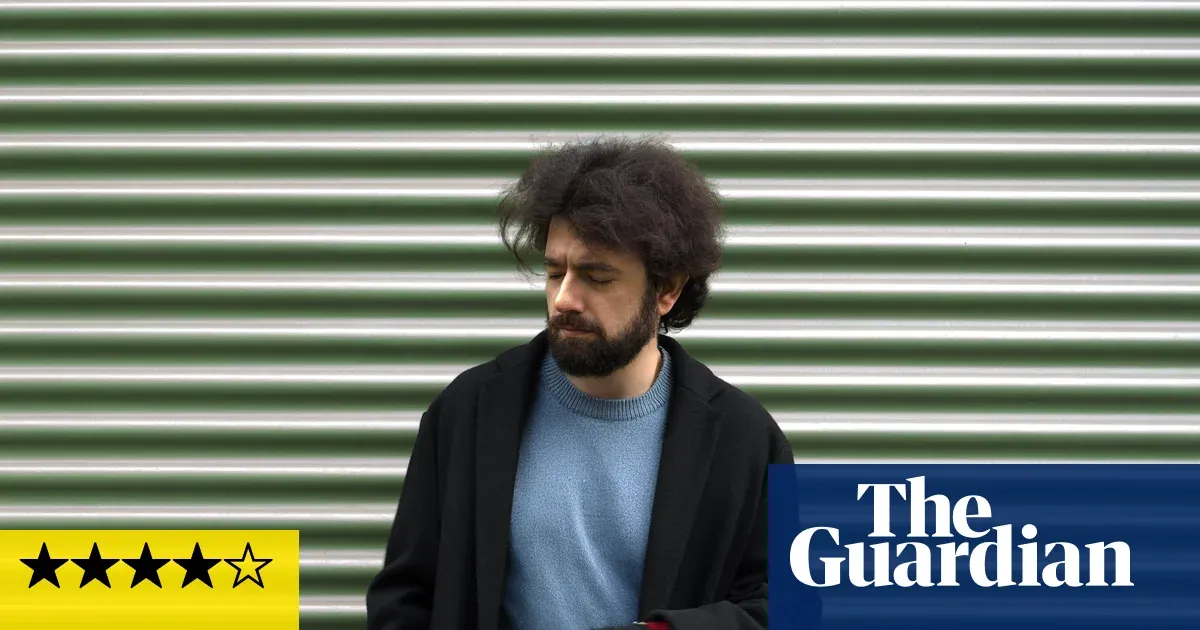
Beirut-born, Amsterdam-based composer Toni Geitani has released his second album, Wahj, adding to a growing strand of Arabic electronic experimentalism. The scene includes diaspora artists such as Egyptian producer Abdullah Miniawy, singer Nadah El Shazly and Lebanese singer-songwriter Mayssa Jallad, who blend the Arabic maqam tradition and its slippery melodies with granular electronic sound design, rumbling bass and metallic drum programming.
Geitani, a visual artist and sound designer who has created soundscapes for films including the 2024 sci‑fi Radius Collapse and who referenced Burial on his dabke-sampling 2018 debut Al Roujoou Ilal Qamar, brings a high level of production to Wahj. Wahj harnesses soaring layali vocalisations, reverb-laden drums and analogue synths for a cinematic effect.
Opener "Hal" features a yearning cello solo from Nia Ralinova and melismatic vocals over slow, thrumming synth notes; follow-ups such as "Ya Sah" and "La" deploy thundering drums and doomy synths, "Tuyoor" uses blast‑beat cacophony and "Fawqa al Ghaym" leans into industrial techno distortion.
Some tracks, including "Ya Aman," with bellowing vocals and clattering percussion, can veer into Hans Zimmer-style heightened melodrama, while "Ruwaydan Ruwaydan" and closing track "Madda Mudadda" shift between jazz grooves, ney flute lines, calming ambience and crushing static.
Key Topics
Culture, Toni Geitani, Wahj, Maqam, Abdullah Miniawy, Nia Ralinova