
Turn excess hard vegetables into sauerkraut with a dry-salting method
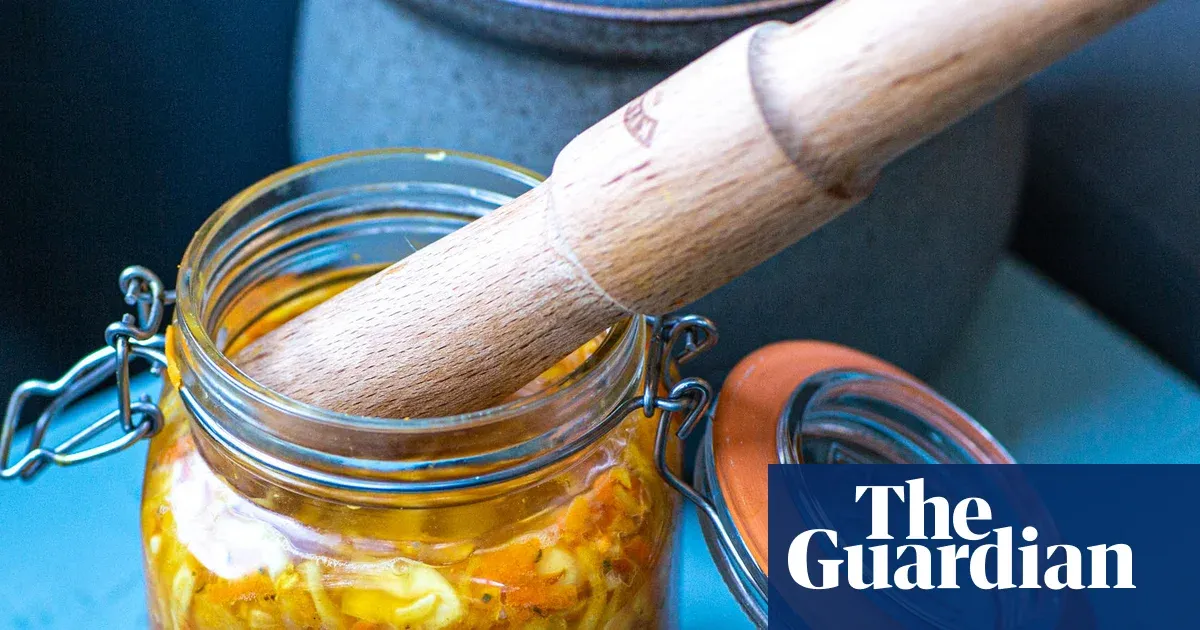
The dry-salting fermentation method used to make sauerkraut works on almost any firm vegetable, allowing surplus carrots, squash or other hard veg to be turned into a golden kraut flavoured with ginger, turmeric and a little citrus zest. Fermenting is recommended as a way to use up seasonal or surplus produce; at the author's restaurant it was used to handle gluts because it saved money and produced imaginative new products.
The general rule is about 3% salt to the total weight of vegetables. The recipe makes one 500g jar: 400g mixed hard vegetables (grated or finely sliced) and 12g sea salt, with optional extras such as the zest of an unwaxed organic lemon or half an orange, 1–3 tsp grated ginger, fresh or ground turmeric and 1–2 tsp caraway, cumin or coriander seeds.
Tip the grated vegetables into a bowl, scatter over the salt and any extras, massage until they release juices, then press into a large sterilised jar and pour in any brine. Ensure the vegetables are fully submerged (top up with filtered water and a tiny pinch of salt if needed) and place the lid loosely to allow gases to escape.
Leave the jar at room temperature for at least four days, checking until it is bubbling and the brine tastes lightly acidic; for a deeper flavour keep it fermenting on the counter longer, or seal and refrigerate for a milder kraut that will keep for four to six months.
Key Topics
Culture, Sauerkraut, Fermentation, Sea Salt, Carrot, Squash