
TV and film are borrowing video-game structures, but risk open-world bloat
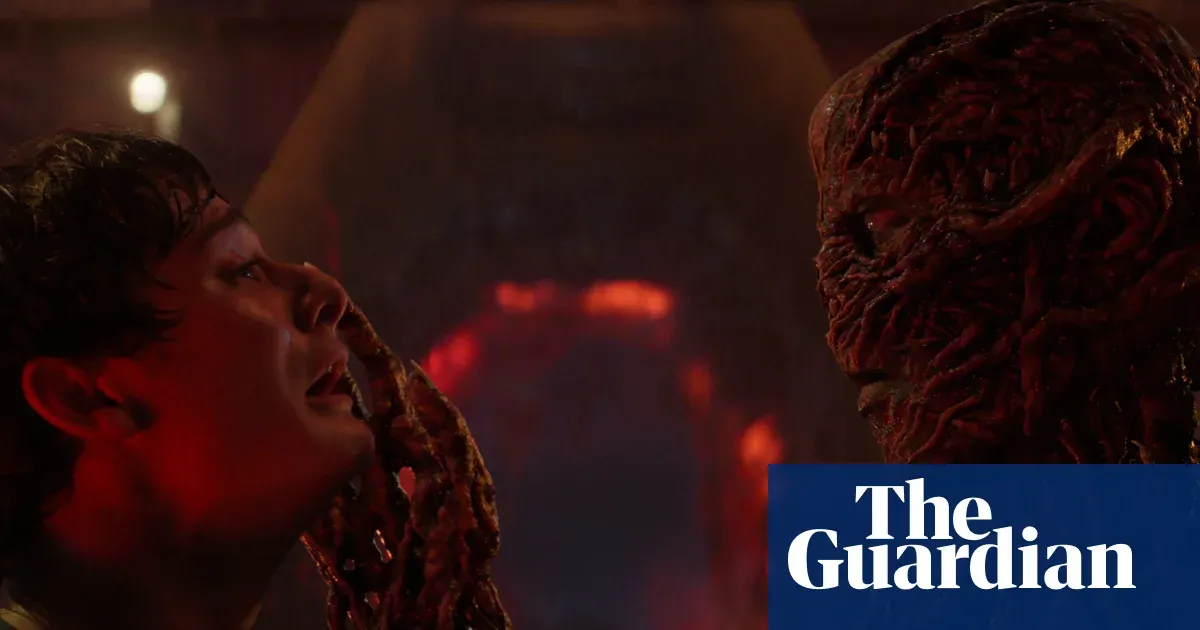
The Guardian columnist argues that television and film are increasingly taking on the structure and feel of video games, using the Stranger Things finale as an example — including what the writer described as a climactic, “final boss battle” and noting that "approximately 80% of the final season comprised twentysomething ‘teenagers’ explaining things to each other".
The piece traces a reciprocal influence between the media: games long imitated cinema, and now cinema and TV often feel videogame-like. The columnist cites examples such as Resident Evil’s slow corridor scenes, Marvel films’ gamey mood and pace, Edge of Tomorrow’s respawn premise, Mad Max: Fury Road’s playability, and John Wick 4 as a “fighting-game boss rush.” The writer says long stretches of exposition and walking are more tolerable in games because players have controllers.
The columnist warns of the downside: open-world bloat and unnecessary side-quests. They say Stranger Things felt like loading an open-world game with too many characters and locations — the Upside Down, Vecna’s mindscape, Hawkins and a new dimension — and a long epilogue that they compared to Red Dead Redemption 2’s post-game hours.
They also note the unexpected absence of an official Stranger Things video game tie-in aside from a 2019 retro-style smartphone beat‑em‑up and suggest rising game-development costs may be a factor.
Key Topics
Culture, Stranger Things, Upside Down, Vecna, Open World Games, Resident Evil