
UCL surgeon says red light masks lack strong evidence for wrinkle prevention
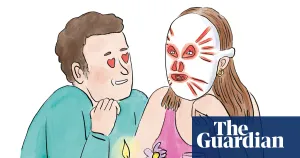
Afshin Mosahebi, a professor in plastic surgery at University College London, says red light therapy has been around for some time and is moving from clinic treatments to consumer “light-up” masks you can wear at home.
He says reasonable reports show the treatment is good for wound-healing, which is why it is recommended for inflammatory skin conditions such as acne, dermatitis and psoriasis: it increases circulation, decreases inflammation and improves cell regeneration.
When it comes to preventing wrinkles there is less proof, Mosahebi says. The theory is that light will stimulate sleepy fibroblast cells to produce collagen for thicker, plumper skin, but he says there is no substantial evidence to back this up and that professional sessions, which are stronger, are far more likely to be effective than at-home masks.
Mosahebi also warns there is limited research into long-term, repeated use encouraged by manufacturers: “we don’t know what happens when people use it in the long term,” he says, including whether it could cause more aged skin or affect skin cancer risk. He says he believes red light therapy is safe, but that the best ways to delay wrinkles are a nutritious diet, adequate water, regular exercise, a nourishing moisturiser and high protection sunscreen, and that it is not worth shelling out for a mask if you are not doing those things.
Key Topics
Health, Afshin Mosahebi, University College London, Red Light Therapy, Led Masks, Fibroblasts