
Venezuela’s National Assembly approves sweeping overhaul of oil sector
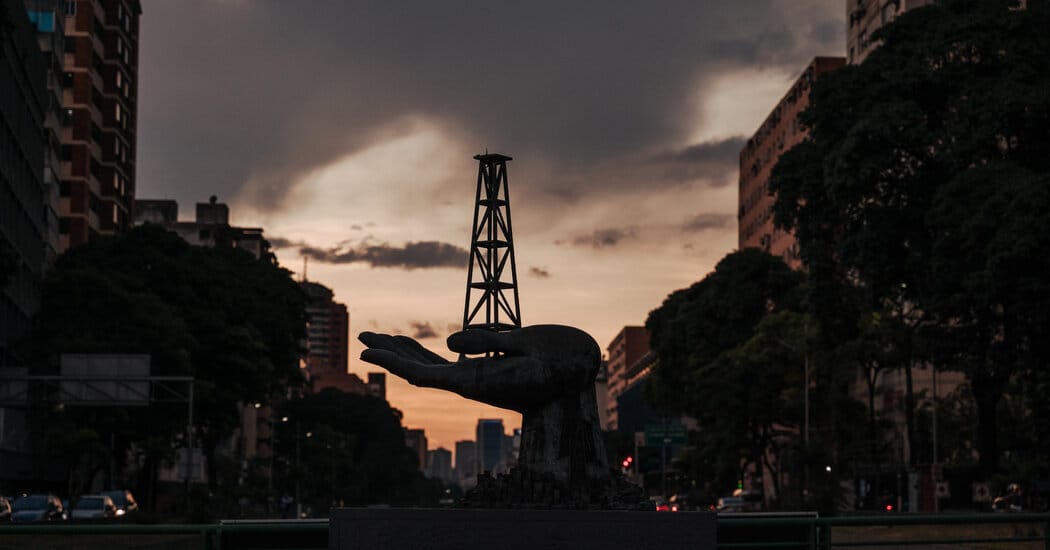
Venezuela’s National Assembly on Thursday, Jan. 29, 2026, approved a sweeping overhaul of the country’s oil laws that grants foreign oil companies greater operational control and could sharply reduce the royalties and taxes they pay, The New York Times reported. The legislation gives foreign companies clear control over production ventures, effectively relegating the state oil company, Petróleos de Venezuela (PDVSA), to secondary status.
It also allows companies to resolve disputes in international arbitration venues rather than in Venezuela’s legal system, and stops short of breaking up or privatizing PDVSA. The Times said the change reverses much of the 2007 nationalization of oil projects that prompted exits by major U.S.
firms like Exxon Mobil and ConocoPhillips. Experts quoted in the report said the move reflects U.S. pressure: the Trump administration has, they say, returned to an era of "gunboat diplomacy," and the Times said the U.S. military captured Nicolás Maduro this month and replaced him with his vice president, Delcy Rodríguez, who rushed to meet demands under threat.
Economist Alejandro Grisanti told the Times the law could raise oil production by 200,000 to 300,000 barrels a day from a current level of roughly one million, calling the measure "very pragmatic" for companies already operating in Venezuela such as Chevron, Repsol and ENI and for smaller, higher‑risk operators.
venezuela oil overhaul, petróleos de venezuela, pdvsa secondary status, foreign oil companies control, slashed royalties and taxes, international arbitration venues, production-sharing agreements, delcy rodríguez, nicolás maduro, trump administration, chevron, exxon mobil, repsol, oil production increase