
Venezuelan journalist describes slow erosion of democracy and 2024 election dispute
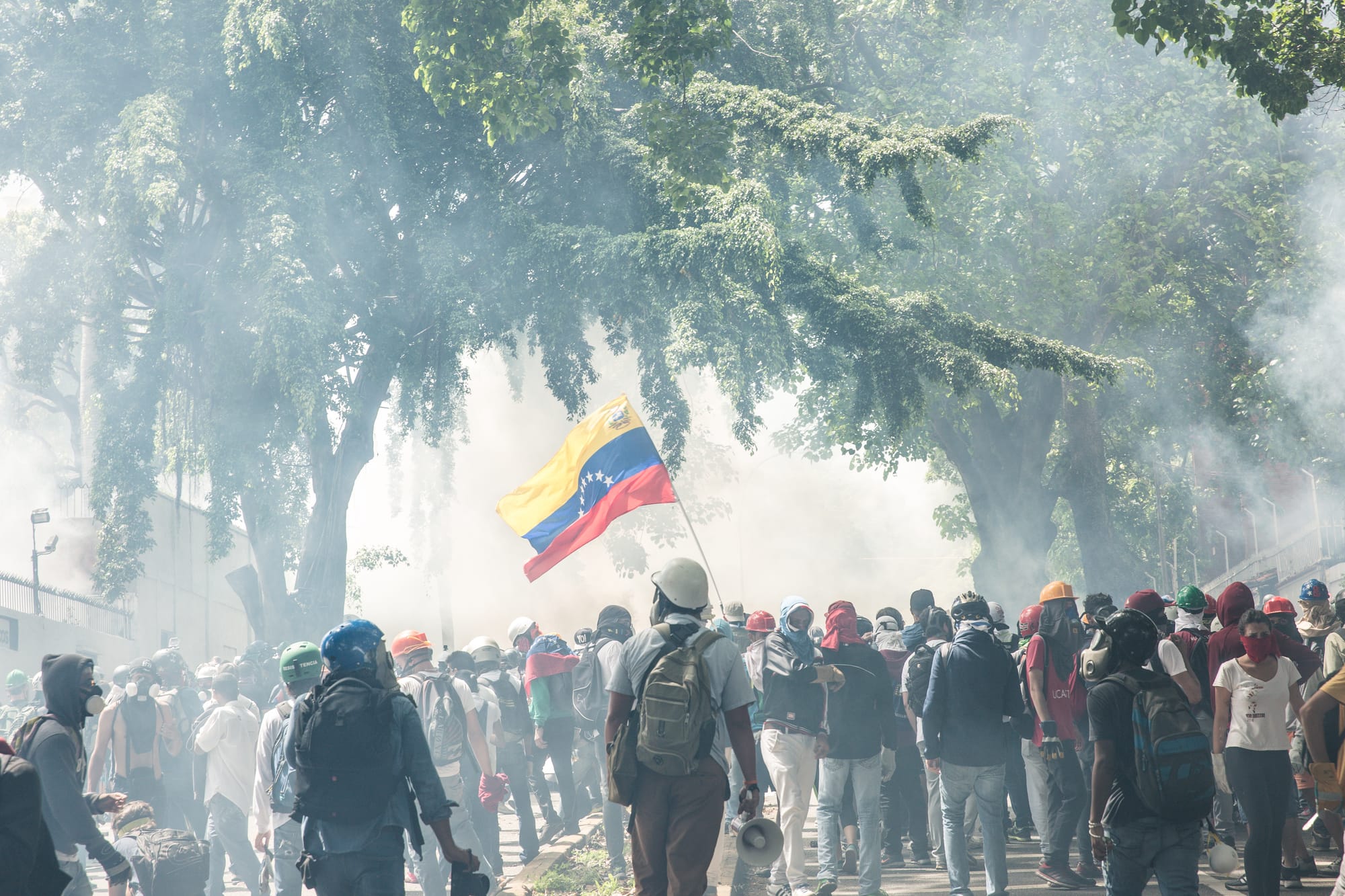
On Jan. 3 in Caracas the author heard explosions and aircraft overhead as many Venezuelans believed the Americans were involved; scenes of celebration over the perceived end of Nicolás Maduro’s rule coexisted with fear of foreign intervention. The author argues that Venezuela’s democracy did not fall suddenly but eroded gradually through institutions that once protected it.
Over the past decade roughly a quarter of Venezuela’s population left the country. The author traces the erosion to practices begun under Hugo Chávez, including media closures—such as the longest-running national television station RCTV and print newspapers in half the states—dissent being vilified, loyalty rewarded over competence, and growing corruption.
By 2013 Venezuela recorded the world’s highest annual inflation rate at 56%; three years later the country entered hyperinflation, and by 2021 de facto dollarization coincided with 78% of Venezuelans living in poverty and 57% in extreme poverty. Large protests in 2014 and 2017 met intensified repression: the author reports at least 200 killed, more than 5,400 detained, and documented cases of torture rising from 33 in 2014 to at least 88 in 2017.
In 2024 the opposition won an election the author says Maduro refused to concede; government forces detained over 2,000 people in one month, intelligence agencies livestreamed arbitrary arrests, and opponents faced long prison sentences.
Key Topics
Politics, Venezuela, Nicolas Maduro, Maria Corina Machado, Edmundo Gonzalez Urrutia, Pdvsa