
Webb shows most hot dust in Circinus feeds its central black hole
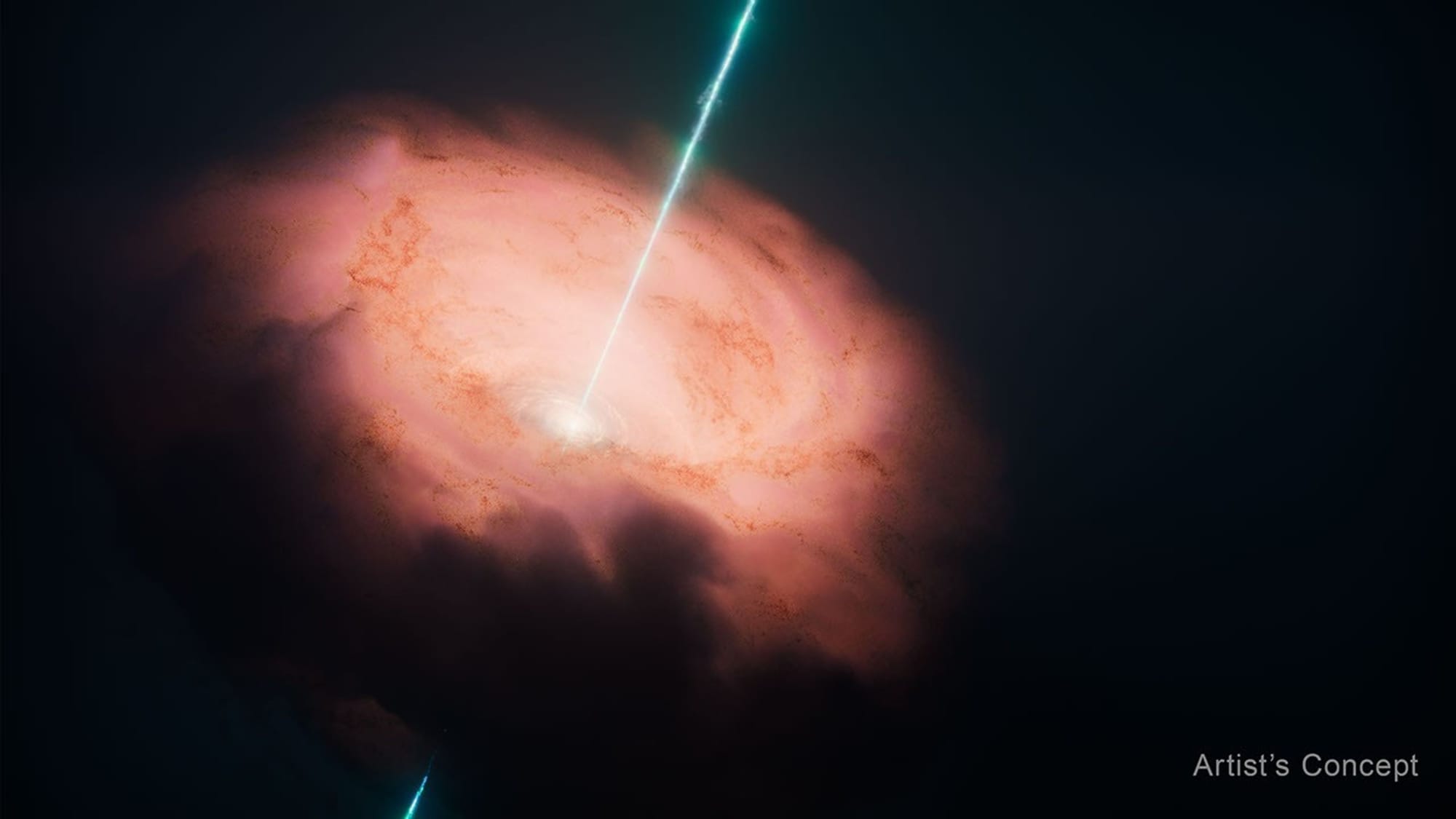
NASA’s James Webb Space Telescope has produced the sharpest image yet of the central region of the Circinus Galaxy, about 13 million light-years away, and found that most of the hot, infrared‑emitting dust is located near the galaxy’s supermassive black hole. The research was published Tuesday in Nature.
New observations from Webb, paired with a Hubble image, used the NIRISS instrument’s Aperture Masking Interferometer to filter bright starlight and resolve the inner structure. The mask turns seven small hexagonal holes into collectors that create interference patterns Webb can analyze, effectively doubling resolution over a small area and making the telescope act like a roughly 13‑metre space telescope for that region.
The Webb data showed that about 87% of the infrared emission from hot dust in Circinus comes from the areas closest to the black hole, less than 1% comes from hot dusty outflows, and the remaining 12% arises from more distant regions. Those results reverse earlier models that attributed most central infrared emission to outflows.
Key Topics
Science, Circinus Galaxy, Supermassive Black Hole, Aperture Masking Interferometer, Niriss, Hubble Space Telescope