
When friends become landlords: the risks of renting from a mate
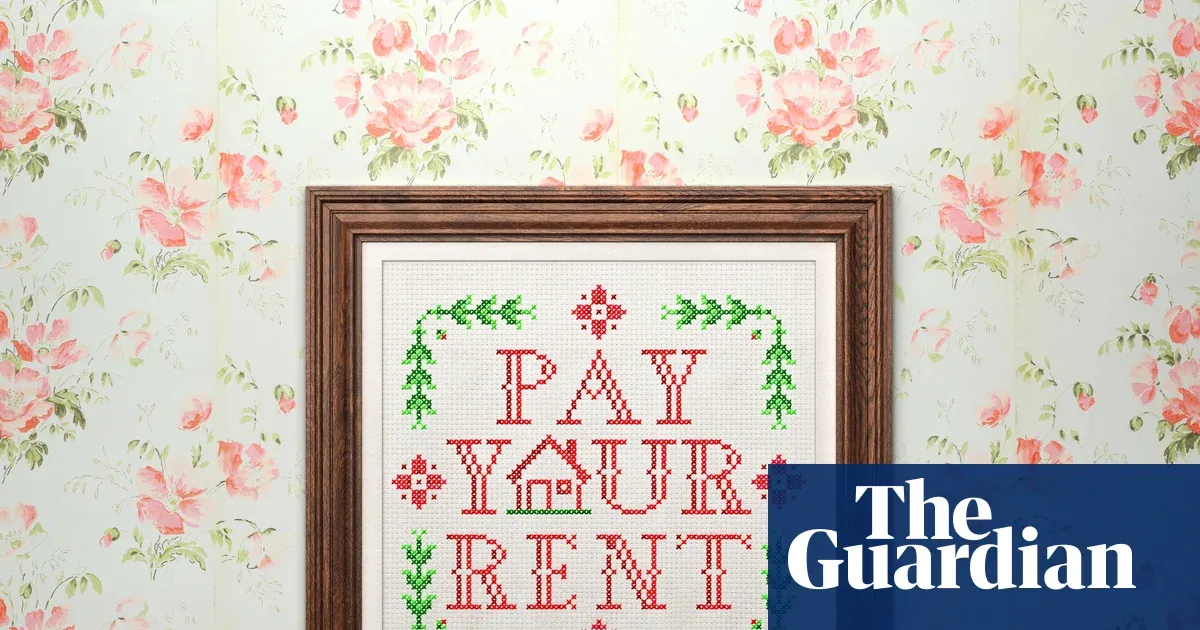
Friendship can be strained when homeowners take in lodgers, often friends, creating a “friendlord” dynamic in which one party holds clear power over the other. According to flatsharing website SpareRoom, there was an 89% increase in homeowners taking in lodgers over the three years to January 2024, and rooms in London now cost an average of £1,000 a month.
Personal accounts in the Guardian illustrate the tensions. Rachel paid market rent to a childhood friend but found herself doing more housework and following strict house rules; when a front-door lock broke, her friend blamed and charged her for the repair and Rachel moved out. Emily says living in a friend’s flat left her constantly self-conscious and wanting independence, while others describe being sidelined from home improvements or pushed into unwelcome roles such as cooking for their landlord.
Some try to manage the imbalance: one tenant, Helen, said her friend drew up a formal agreement, registered a deposit and consulted a landlord helpline, which gave her peace of mind. Tim, a friendlandlord, told the paper he charges 25–50% less than market rent, forgoes a deposit and aims to be proactive with repairs.
But the Guardian also reports more extreme cases, including a lodger who found her room listed on Airbnb while the owner travelled and who was later evicted. Lodgers have fewer legal protections than renters: they are not covered by the deposit protection system and face basic notice requirements for eviction.
Key Topics
Culture, Friendlord, Spareroom, London, Lodger, Deposit Protection