
Writers explain the appeal of unlikable movie characters
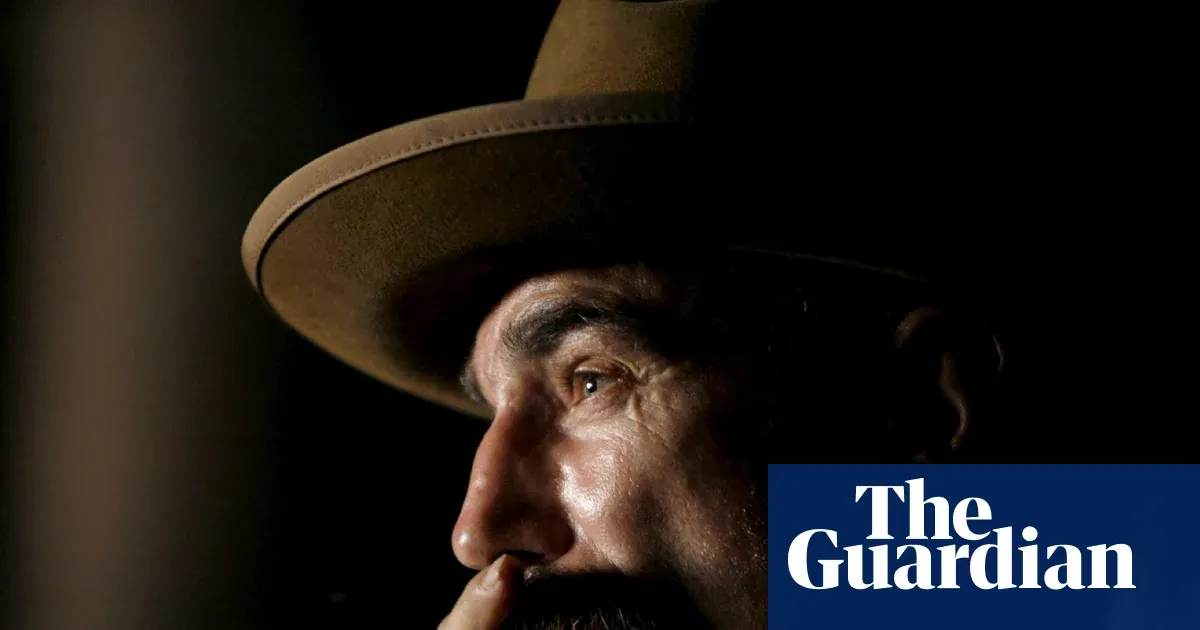
Writers reflect on their favourite unlikable movie characters, explaining what makes those figures compelling on screen. The selections range from comic misanthropes to sociopathic antiheroes and brutal character studies. Contributors cite characters such as Melvin Udall in As Good As It Gets — a bestselling romance author who disdains love and an OCD sufferer who "weaponizes his affliction" — and Mavis Gary in Young Adult, a "middling YA ghost-author, borderline alcoholic and ‘psychotic prom queen bitch’" who resists a redemptive arc.
Others include the irritatingly arrogant Barton Fink; Wren in Smithereens, a "charmless social climber"; Ingrid in Ingrid Goes West, a deeply unwell woman who latches on to an influencer; Patrick Bateman in American Psycho as a satirical figure of toxic masculinity; the prickly Greenberg; Pansy Deacon in Hard Truths, who "remains pretty much awful"; Daniel Plainview in There Will Be Blood, described as cold-hearted and child-abandoning; Charles Foster Kane, the predatory media baron; and Marla Grayson in I Care A Lot, a court-appointed guardian who drains the savings of vulnerable elderly people.
The pieces note tonal variety — from black comedy and satire to unflinching character study — and point out patterns, such as the Coen brothers' long-running use of dislikable protagonists. Some figures, like Melvin, are presented with partial redemption, while others remain resolutely unreformed.
Key Topics
Culture, Melvin Udall, Mavis Gary, Patrick Bateman, Daniel Plainview, Charles Foster Kane