
ZDNET's 2026 laptop testing methodology
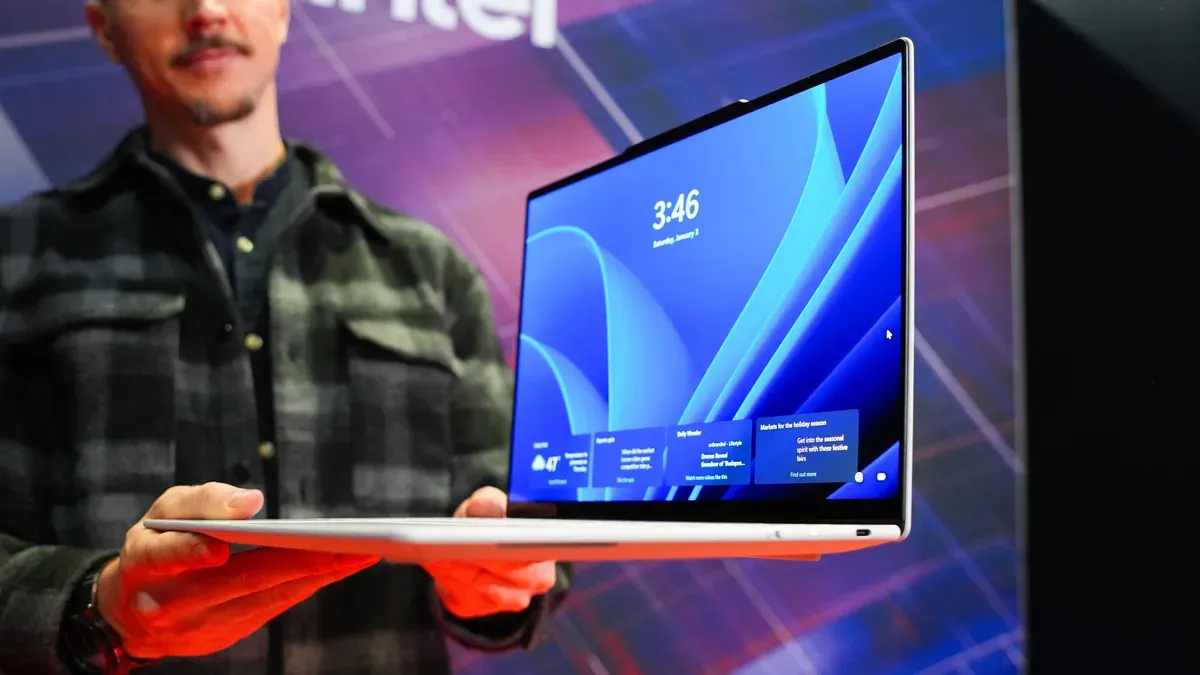
ZDNET explains how it tests dozens of laptops each year, pairing technical benchmarking with hands‑on assessments of ease of use, form factor, durability and battery life. On arrival, reviewers record first impressions during operating‑system setup, Wi‑Fi connection and login, noting how smooth the startup process is.
ZDNET installs the most recent OS updates and relevant drivers for GPU, BIOS and hardware to put devices on the same playing field and notes that skipping updates can result in suboptimal performance. Core components evaluated include the processor (CPU), RAM, storage, the graphics processor (integrated or discrete), the neural processing unit (NPU, measured in TOPS), the display (size, brightness in nits, resolution, OLED and refresh rate), port selection and the physical form factor such as weight, thickness and keyboard or trackpad feel.
To gather detailed data, ZDNET runs diagnostic and benchmarking tools including SiSoftware Sandra, GPU‑Z, Cinebench, PCMark 10, Geekbench, 3DMark and JetStream2. Results are compared with manufacturers' claims and any outliers prompt additional testing; niche use cases such as creative workflows or gaming receive targeted performance tests focusing on GPU, display rendering and multitasking.
Battery tests use a medium load with screensavers and hibernation off, battery‑saving modes off, display brightness and audio at 50%, RGB/backlighting disabled, and a YouTube livestream in Chrome run on a timer until the battery dies.
Key Topics
Tech, Laptop Testing, Battery Testing, Cinebench, Geekbench, Neural Processing Unit