
Zero grip, maximum fun: A practical guide to getting into amateur ice racing
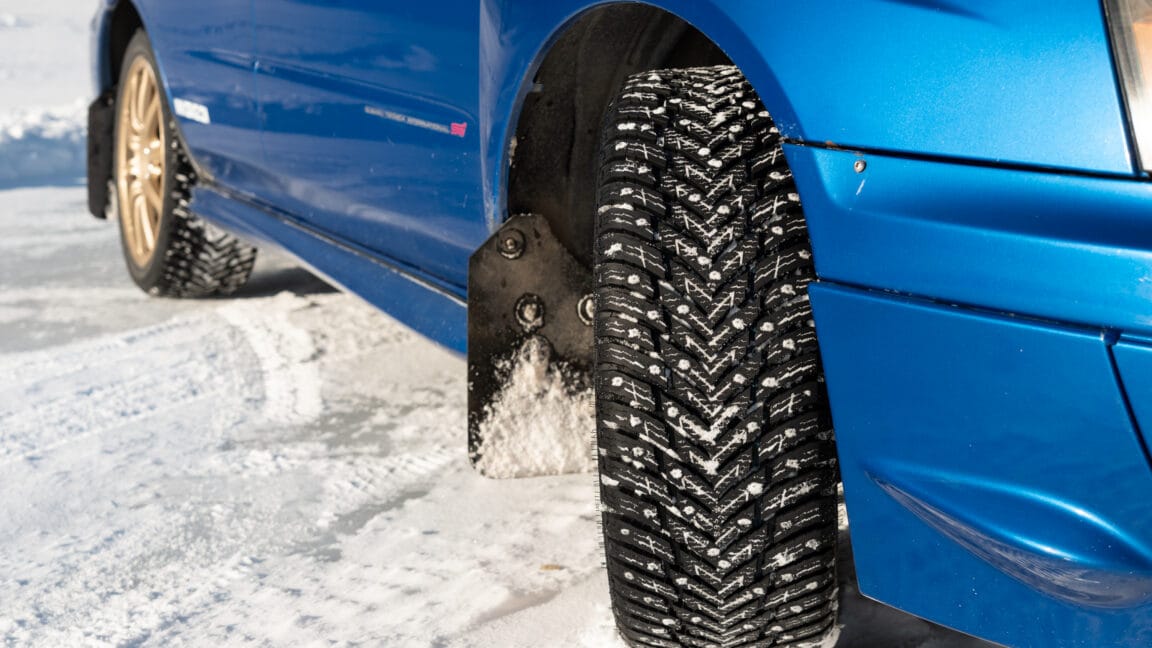
Formula One prizes grip and downforce, but ice racing celebrates the opposite: controlled slides and low traction. To drive on ice you really only need the right tires, a willing car and a desire to spend more time sideways than straight. For street-legal classes, you don’t even need a roll cage—just good tires and the right attitude.
Ice racing covers a lot of ground, from time trials—basically autocross on ice—to wheel-to-wheel events on plowed ovals and full road courses cut into frozen lakes. Clubs such as the Sports Car Club of Vermont and Lakes Region Ice Racing Club run local series, while long-running groups like the Adirondack Motor Enthusiast Club plow courses around the ADK.
Most clubs look for about a foot of solid, clean ice, which the US Army Corps of Engineers says is enough for eight-ton trucks. Tires make the biggest difference. Unstudded street winter tires like the Bridgestone Blizzaks, Continental WinterContacts and Michelin X-Ices work well on rough or snowy ice.
United States, Vermont, Adirondacks
ice racing, amateur racing, winter tires, unstudded tires, bridgestone blizzaks, continental wintercontacts, michelin x-ices, adirondacks, time trials, frozen lakes