The Hidden Tax of Poverty: Why it’s Expensive to be Poor
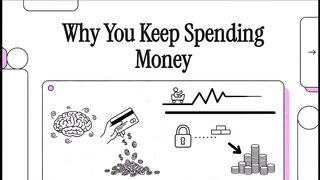
This text explores the concept of the "poverty tax," illustrating how the current financial system imposes higher costs on those with the fewest resources
. Through examples such as the long-term cost of cheap work boots, high-interest payday loans, and the inability to save money by buying groceries in bulk, the source demonstrates that a lack of upfront capital leads to higher per-unit prices and frequent fees
. It emphasizes that escaping this cycle is not just about a higher salary, but about creating a financial "margin" or "breathing room" to avoid the compounded costs of emergencies and systemic penalties.