
How Did Ancient Humans Predict Rain Without Forecasts? | Weather Lore
How Did Ancient Humans Predict Rain Without Forecasts? | Weather Lore
How did ancient humans anticipate rain without weather maps, apps, or modern forecasts?
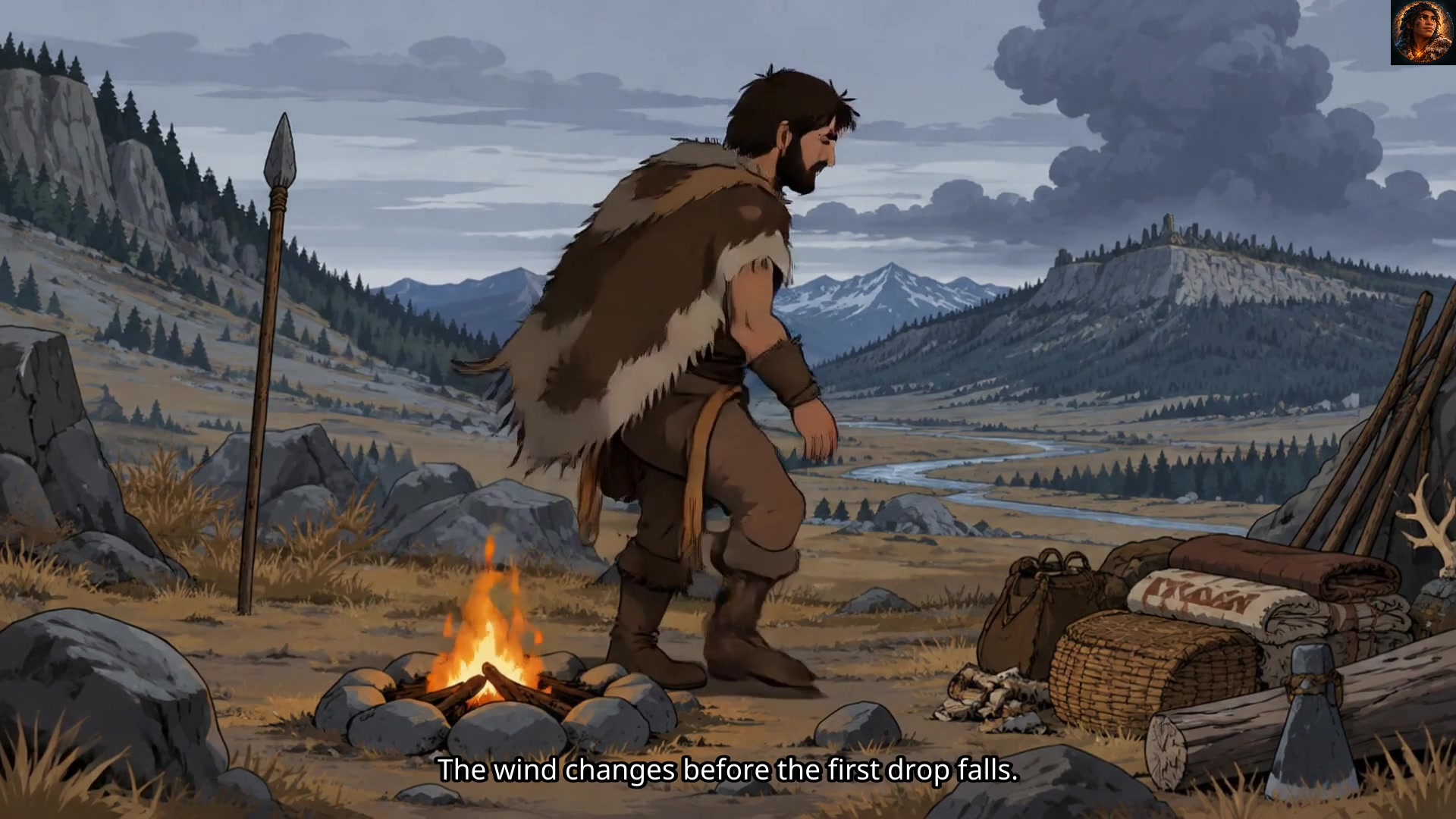
This video explores how people may have studied clouds, wind, cooling air, halos, animal behavior, seasonal patterns, and changing landscapes to make better decisions before rainfall. We also examine the limits of ancient weather lore—and why noticing a pattern is not the same as making a perfect prediction.
From imagined prehistoric observers to Babylonian records and Aristotle’s ideas about meteorology, discover how human observation helped turn uncertain skies into useful clues.
The evidence does not suggest perfect forecasting. Instead, it shows how careful observation could provide enough warning to protect supplies, seek shelter, or change a plan.
What would you notice first: the clouds, the wind, or the cooling air? Share your answer in the comments.
Subscribe to @EmberkinOrigins for more ancient history, archaeology, science, and human origins stories.
Timestamps:
00:00 The first signs of approaching rain
00:22 How ancient people watched the sky
01:03 Clouds as atmospheric clues
01:38 Storm clouds, cool air, and gust fronts
02:23 Halos around the sun and moon
03:00 Pattern recognition versus perfect prediction
03:45 Why local weather knowledge had limits
04:07 The meaning behind red sky weather lore
04:48 Can animals predict rain?
05:34 Babylonian weather observations
06:00 Aristotle and early meteorology
06:23 Seasonal patterns versus tomorrow’s weather
06:48 Returning to the ancient camp
07:12 How ancient humans anticipated rain
Like, Subscribe & Share
#EmberkinOrigins #humanevolution #humanorigins #ancienthumans #earlyhumans #prehistorichumans #prehistory #prehistoriclife #prehistoricsurvival #IceAge #IceAgesurvival #StoneAge #huntergatherers #Neanderthals #Denisovans #Homosapiens #humanancestors #ancienthistory #archaeology #anthropology #ancientinventions #historyexplained #animatedhistory #3Danimation #3Danimateddocumentaries #educationalanimation
Sign in to join the conversation.
 Sign in with Google
Comments