
Why Are Humans Ticklish? The Brain Science of Laughter & Touch
Why Are Humans Ticklish? The Brain Science of Laughter & Touch
Why can’t you easily tickle yourself—but another person can make you laugh instantly?
This episode explores the science and evolutionary mystery of ticklishness. We examine the difference between light touch and laughter-producing tickling, what apes reveal about the ancient roots of laughter, and how the brain predicts sensations caused by our own movements.
We also explore why the armpits, sides, and soles of the feet can be especially ticklish, why tickling does not always feel pleasant, and whether playful touch evolved for social bonding, protection, or something else.
Scientists have clues from animal behavior, sensory-prediction experiments, and cross-cultural research—but the original evolutionary purpose of ticklishness remains unresolved.
Welcome to Emberkin Origins, exploring the mysteries of human bodies, brains, and behavior.
Timestamps
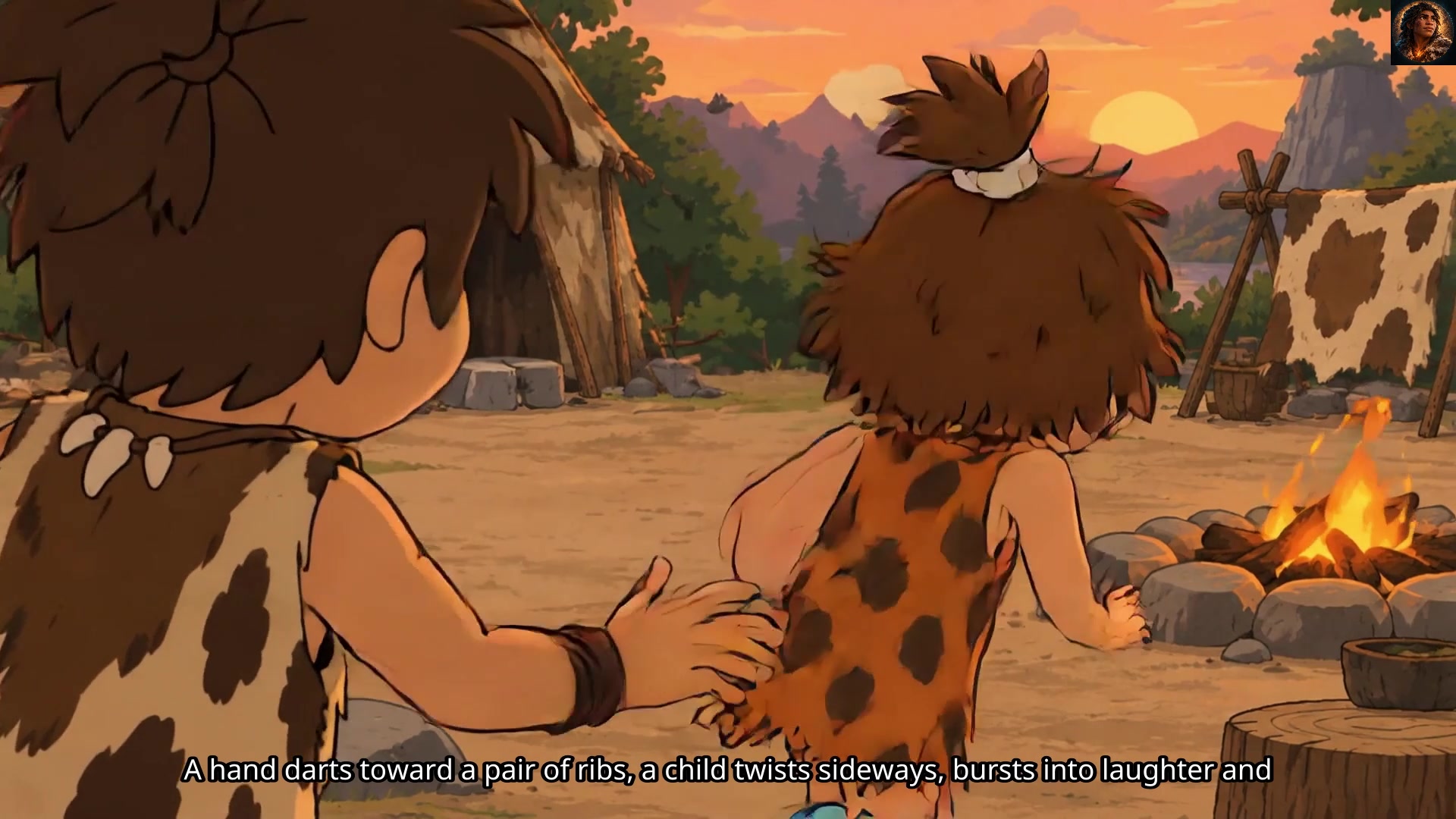
00:00 An imagined prehistoric tickling scene
00:16 Why does ordinary touch cause laughter?
00:22 What archaeology cannot preserve
00:36 Welcome to Emberkin Origins
00:42 Two different experiences of tickling
01:06 What apes reveal about ticklishness
01:24 Bonobos, gorillas, orangutans, and play
01:46 The evolutionary roots of laughter
02:08 Why you cannot tickle yourself easily
02:16 The brain’s prediction system
02:39 Experiments that change self-touch
02:46 Why altered timing feels more ticklish
02:49 Which parts of the body are most ticklish?
03:00 Research on 448 participants
03:14 Why sensitive skin is not the whole answer
03:28 Tickling, play, and social connection
03:39 Possible evolutionary functions
03:48 Why laughter does not always mean enjoyment
04:01 Consent and the limits of automatic reactions
04:10 What science still cannot explain
04:32 Ticklishness and our animal past
04:40 Like, subscribe, and share
Like, Subscribe & Share
#EmberkinOrigins #humanevolution #humanorigins #ancienthumans #earlyhumans #prehistorichumans #prehistory #prehistoriclife #prehistoricsurvival #IceAge #IceAgesurvival #StoneAge #huntergatherers #Neanderthals #Denisovans #Homosapiens #humanancestors #ancienthistory #archaeology #anthropology #ancientinventions #historyexplained #animatedhistory #3Danimation #3Danimateddocumentaries #educationalanimation
Sign in to join the conversation.
 Sign in with Google
Comments