
How Did Ancient Egyptians Move Giant Statues? The Wet Sand Clue
How Did Ancient Egyptians Move Giant Statues? The Wet Sand Clue
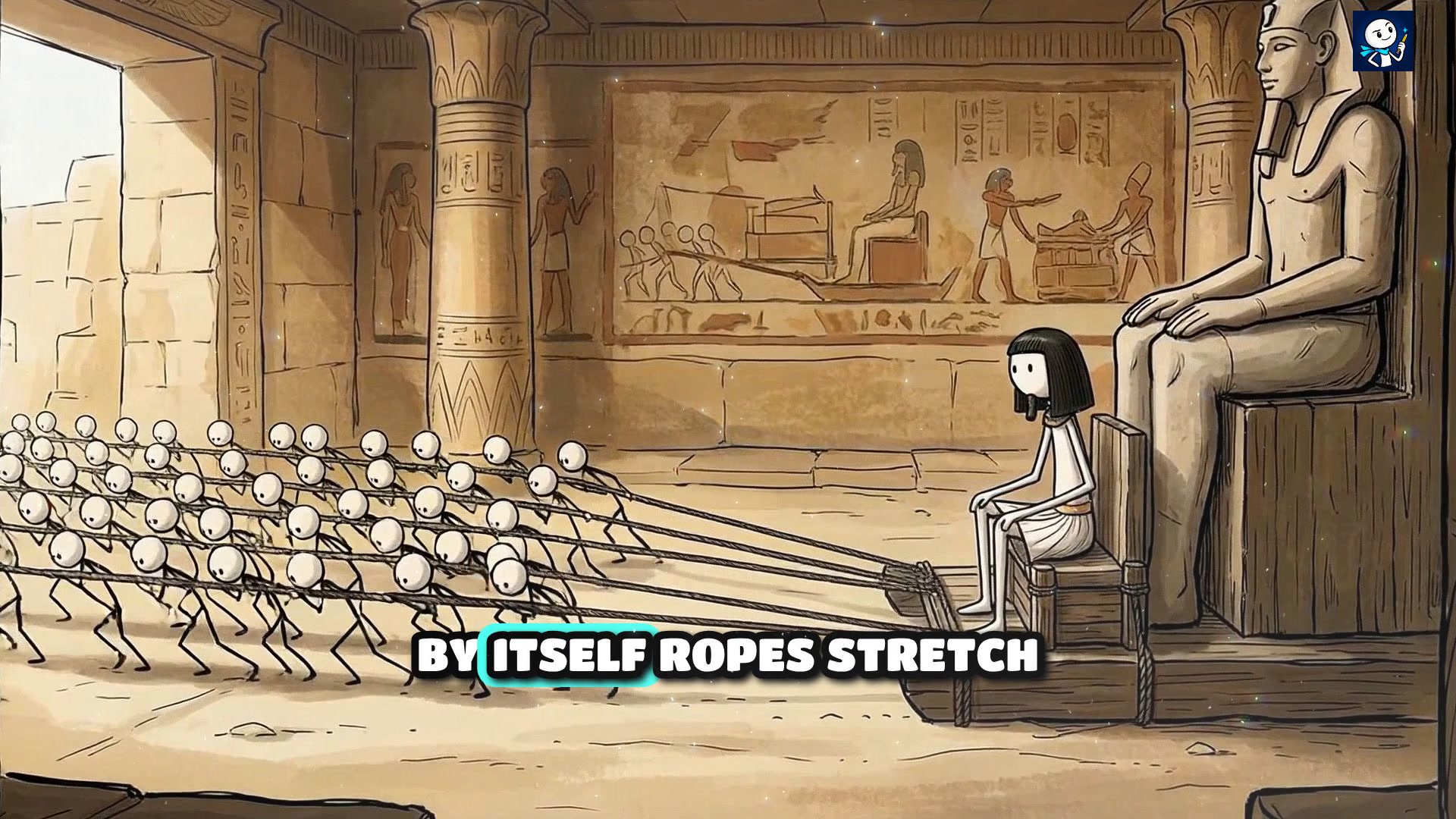
How did ancient Egyptians move giant statues? A small figure pouring water in front of a sledge provides the starting point for an archaeological investigation.
Explore Djehutihotep's Middle Kingdom transport scene, modern experiments on wet sand, Hatnub's quarry ramp, Merer's earlier limestone delivery records, and evidence for waterways and workforce provisioning at Giza. These discoveries illuminate different parts of a transport system; no single finding supplies a universal construction method.
This documentary separates what survives from what researchers infer. The tomb painting is centuries later than Khufu's Great Pyramid, and laboratory experiments test a mechanism rather than recreate the entire ancient procession.
Scribvanta @Scribvanta archaeology documentary
CHAPTERS
00:00 The person with the water vessel
00:36 Djehutihotep's transport scene
02:23 Testing the wet sand clue
03:33 Why firmer sand helps
05:56 Hatnub's quarry ramp
07:09 Merer's limestone deliveries
08:22 The changing Nile landscape
09:36 Supporting the workforce
10:48 What the evidence explains
Like, Subscribe & Share
#Scribvanta #stickmananimation #stickfigureanimation #animatedexplainers #animateddocumentaries #educationalanimation #historyexplained #ancienthistory #humanevolution #prehistorichumans #survivalstories #scienceexplained #psychologyexplained #humanbehavior #whatifscenarios #hypotheticalscenarios #surprisingfacts #interestingfacts #curiousquestions #storytellinganimation #visualstorytelling #2Danimation #YouTubeShorts #educationalentertainment
Sign in to join the conversation.
 Sign in with Google
Comments