
How Did Humans Store Grain Before Cities? The 11,000-Year-Old Clues
How Did Humans Store Grain Before Cities? The 11,000-Year-Old Clues
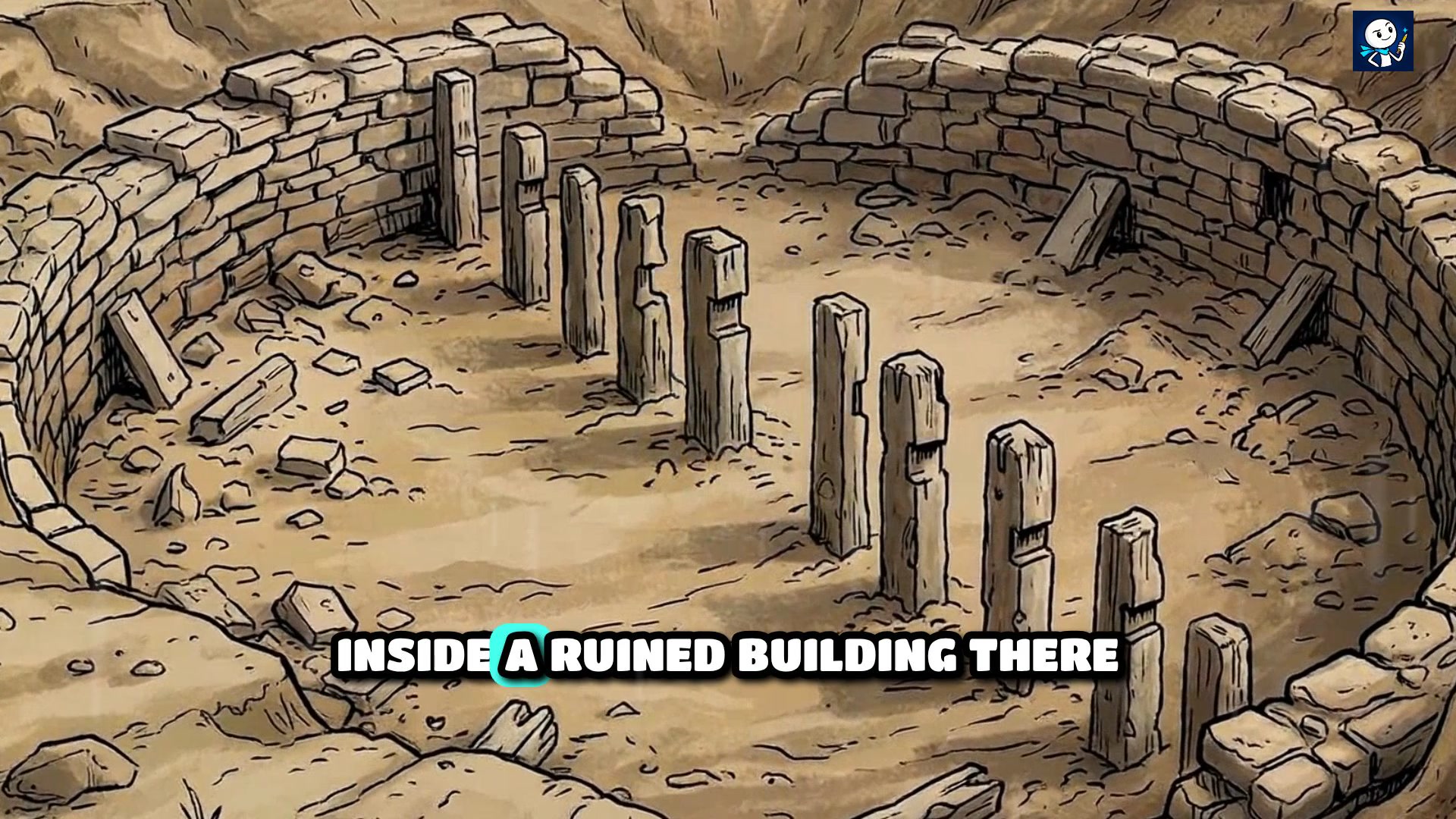
How could a seasonal harvest become food for later months? At Dhra, near the Dead Sea in Jordan, notched stone supports, burned building material and plant remains offer clues to early grain storage about 11,000 years ago.
This documentary follows the evidence for raised-floor granaries, the problems of keeping food usable, and the distinction between cultivating wild plants and domesticated cereals. It also explores what the buildings can suggest about cooperation, and what remains uncertain about ownership, roofs and earlier storage practices.
An archaeology documentary from Scribvanta, @Scribvanta. Dates are approximate; proposed ancient activities are distinguished from excavated evidence. These discoveries do not identify the first people ever to store food.
Chapters
00:00 The missing floor
00:36 Dhra and the early Neolithic
01:14 Making a harvest last
02:26 How the store was built
05:28 Following the plant evidence
06:44 Cultivation and domestication
08:00 Who could use the stores?
09:54 What survives from earlier storage
11:10 What the stones reveal
Like, Subscribe & Share
#Scribvanta #stickmananimation #stickfigureanimation #animatedexplainers #animateddocumentaries #educationalanimation #historyexplained #ancienthistory #humanevolution #prehistorichumans #survivalstories #scienceexplained #psychologyexplained #humanbehavior #whatifscenarios #hypotheticalscenarios #surprisingfacts #interestingfacts #curiousquestions #storytellinganimation #visualstorytelling #2Danimation #YouTubeShorts #educationalentertainment
Sign in to join the conversation.
 Sign in with Google
Comments